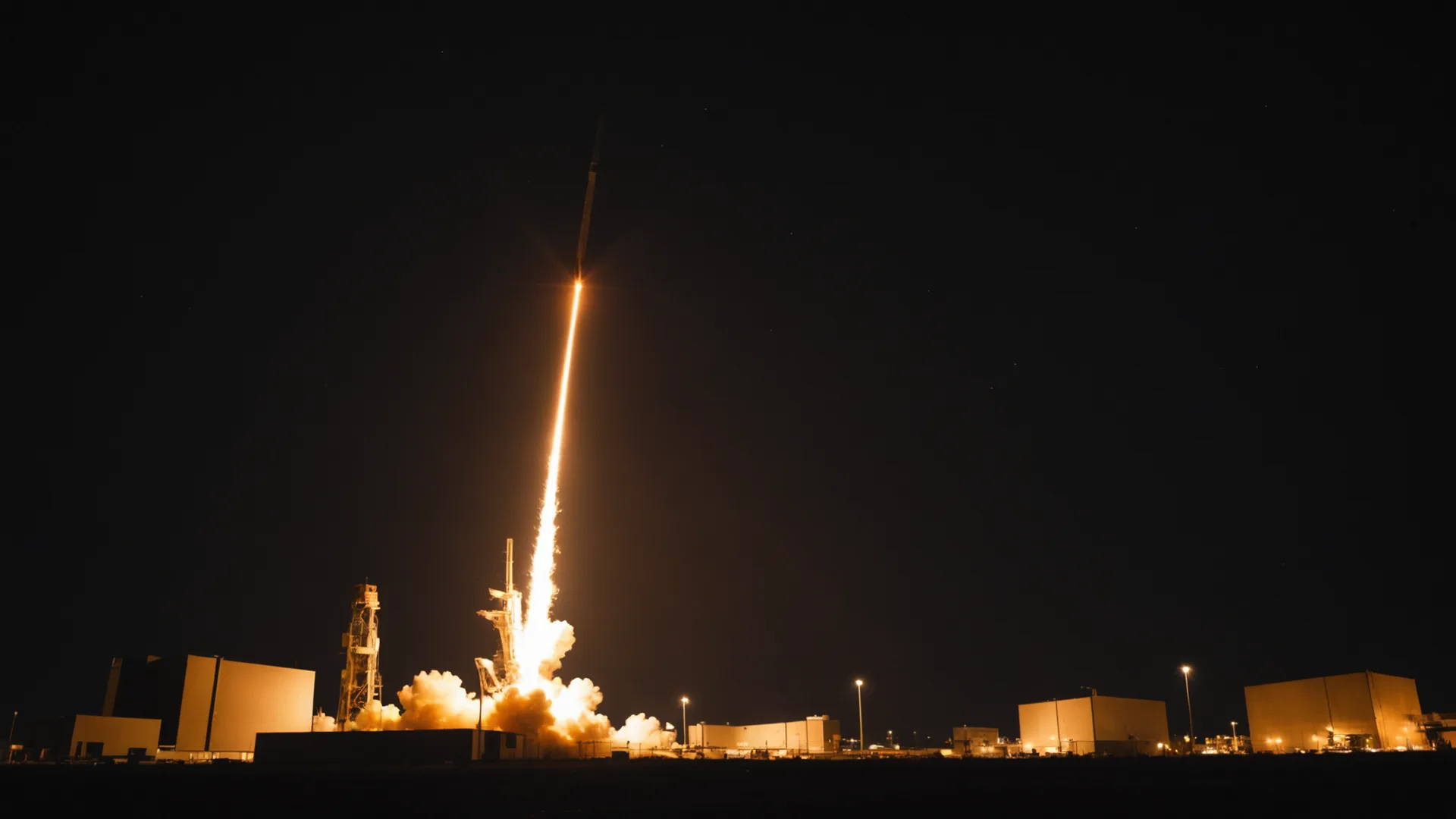
Drones swarm.
Jamming fails.
We kill them.
Askarl Defense builds kinetic interceptors that autonomously detect, classify, and destroy attacking drone swarms — no operator-per-target bottleneck, no RF dependency. Built for airspace where electronic countermeasures reach their limit.
Frequency-agile drone swarms defeat soft-kill solutions by design. Automated frequency hopping eliminates the targeting advantage of radio frequency jamming. A 12-drone swarm can exhaust a jammer's effective bandwidth in under two seconds, leaving the remaining threats uncontested.
Kinetic defeat is not a fallback. For a swarm scenario where electronic defeat has failed, it is the only mechanically reliable option. ARES-1 is built for this specific failure mode — the moment after jamming stops working.
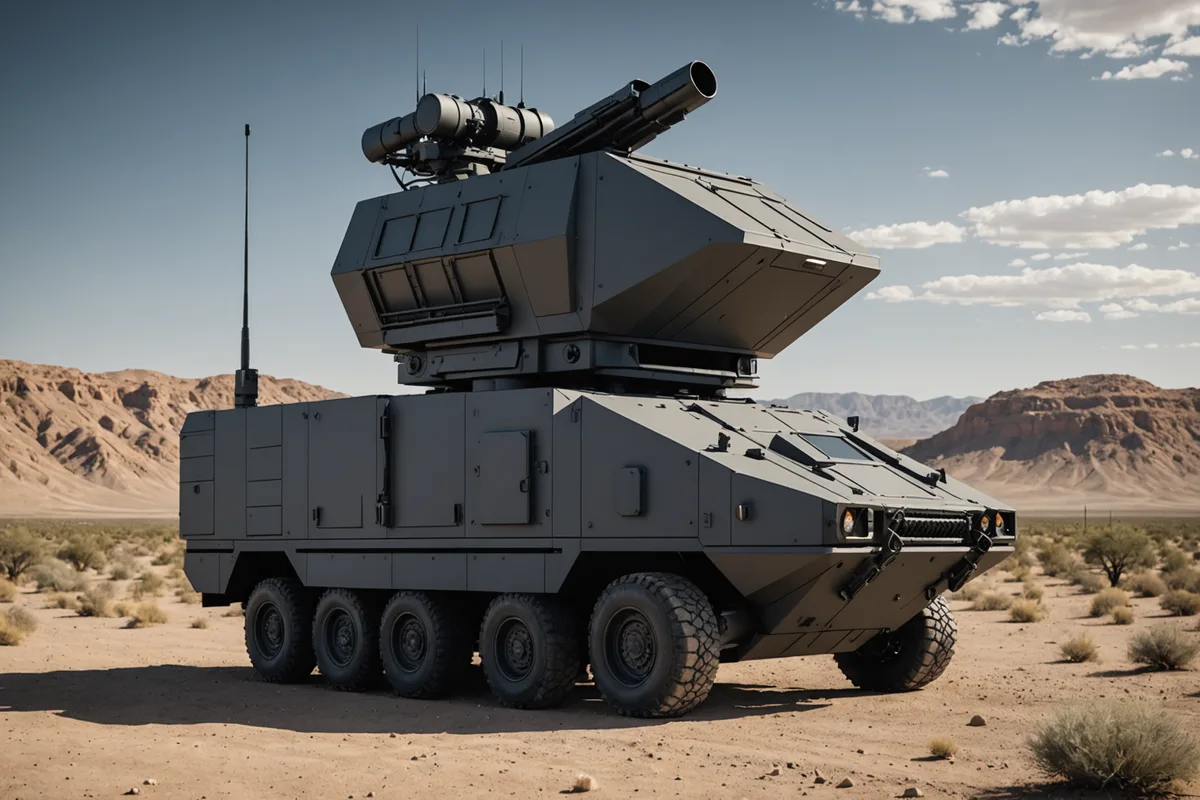
ARES-1 Kinetic Interceptor System
Five stages. Hard latency ceiling at each.
From first radar return to kinetic dispatch in under 3 seconds. No operator required at any stage of the engagement loop.
Radar and optical sensor fusion. Continuous 360° sweep at 50Hz update rate.
AI model evaluates threat vs. benign in under 120ms. Radar cross-section + optical profile combined.
Predictive intercept geometry. Kalman filter trajectory extrapolation to engagement point.
Kinetic round dispatched to intercept point. Single launcher handles up to 8 simultaneous targets.
Post-intercept BDA via optical confirmation. Track updated and engagement queue reordered.
Two deployment contexts. One system.
Military forward positions and critical infrastructure sites face different threat models and operate under different legal frameworks. The same ARES-1 hardware supports both — engagement parameters are operator-configured per environment.

Forward Operating Base Protection
- FOB perimeter defense against multi-drone incursion
- Convoy air protection in contested airspace
- Airfield perimeter engagement without EMI risk
- EMCON-compatible operation (no RF transmission required)

Critical Infrastructure Defense
- Energy facility perimeter against commercial drone threats
- Port terminal airspace control
- Data center campus protection without RF interference
- FAA B-TFAR regulatory framework awareness
"Built at Redstone Gateway, adjacent to Redstone Arsenal — the U.S. Army's missile and rocket center. We test in the same airspace where the threat has evolved."
Redstone Gateway sits adjacent to the U.S. Army Aviation and Missile Command — the primary Army organization for unmanned aircraft systems acquisition and life cycle management.
U.S. Space and Missile Defense Command is headquartered at Redstone Arsenal. Huntsville is one of the country's largest concentrations of defense engineering talent outside of the DC corridor.
Latest technical writing

Counter-Drone Intercept Kinematics
Intercept geometry fundamentals — how pursuit curves, proportional navigation, and engagement envelopes define the physical limits of kinetic defeat.
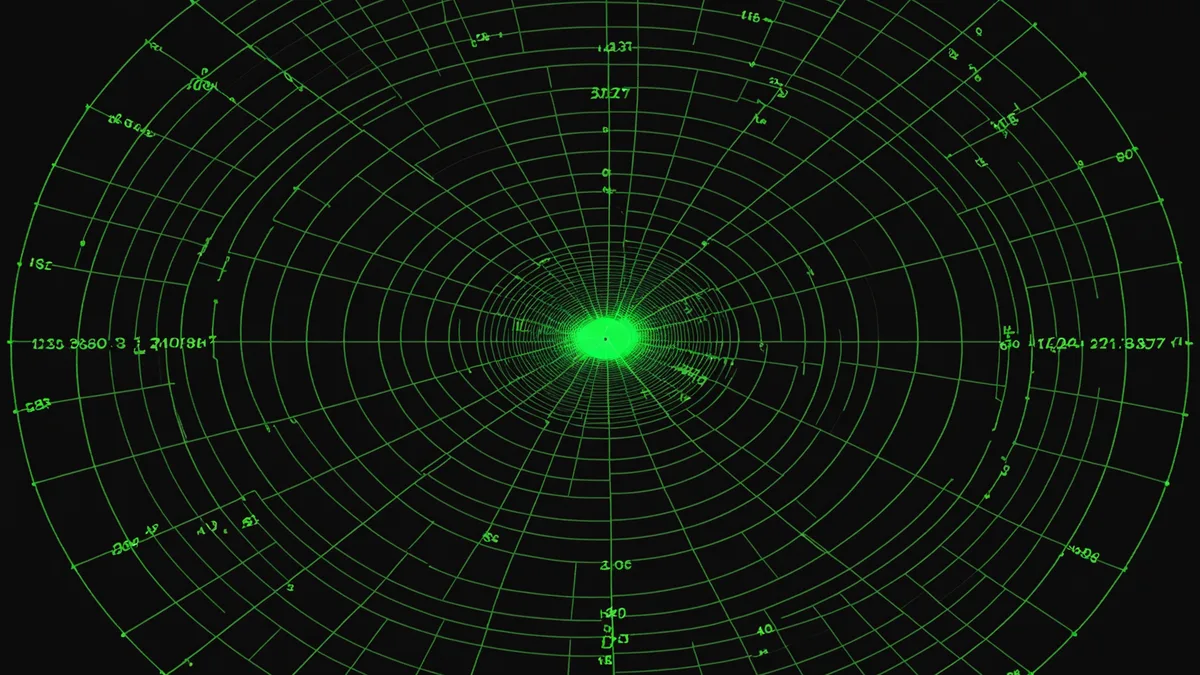
AI Classification and Radar Cross-Section
Why small drones are hard to classify by RCS alone, and how multi-modal fusion improves threat discrimination beyond single-sensor limits.
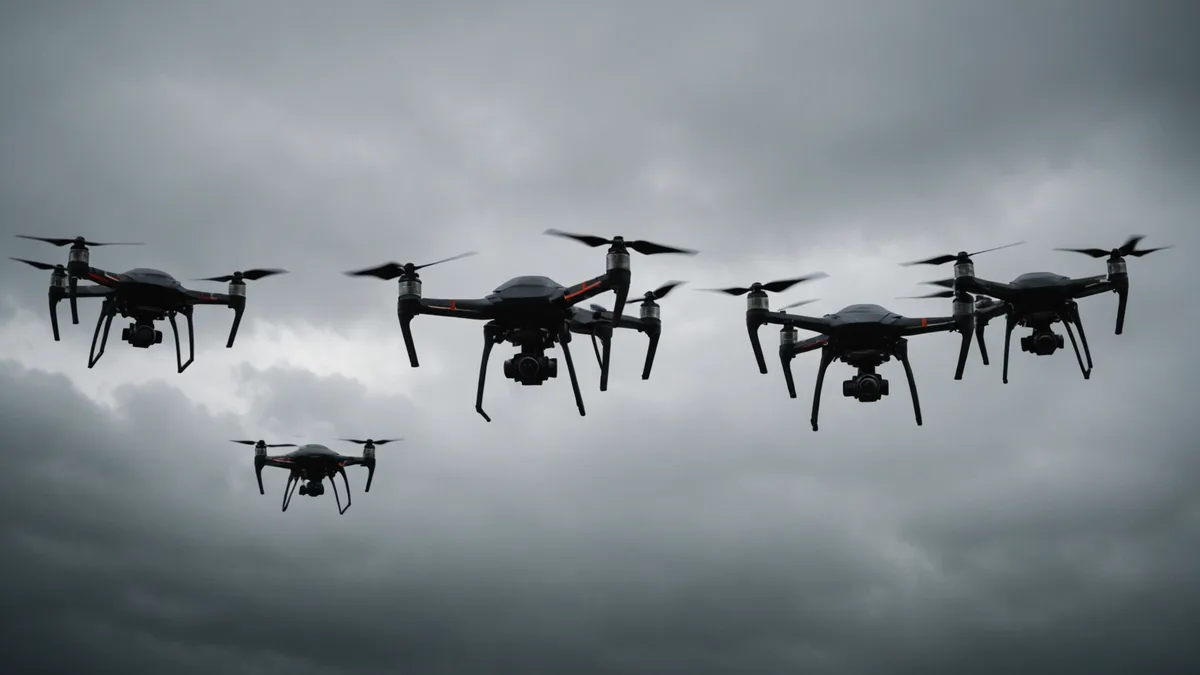
Swarm Defeat Without Jamming
The technical case for kinetic defeat when frequency-agile swarms have exhausted electronic countermeasure bandwidth — and what comes after.